
National CRE firm, multi-state industrial portfolio
A national CRE firm's energy team had the mandate to deploy solar at scale but was locked into a regional procurement model that inflated costs and stalled expansion. Station A rebuilt the process from the ground up — and tripled lease income in the first market.
3x lease income
Year one
The firm's energy and sustainability team had been working with a preferred solar developer for years. On paper, the relationship looked fine. In practice, it wasn't delivering: pricing was inflated relative to the broader market, incentive assumptions were outdated, and expansion beyond the developer's core regions was slow and inconsistent. When the team looked at what comparable projects in similar markets were generating in lease income, the gap was hard to ignore.
The deeper problem was structural. A sole-source relationship, however comfortable, gives the buyer no market signal and the developer no reason to sharpen its pencil. With a large portfolio of industrial sites and growing pressure to show meaningful clean energy progress, the firm needed a process that could scale — not a single-vendor dependency that wouldn't.
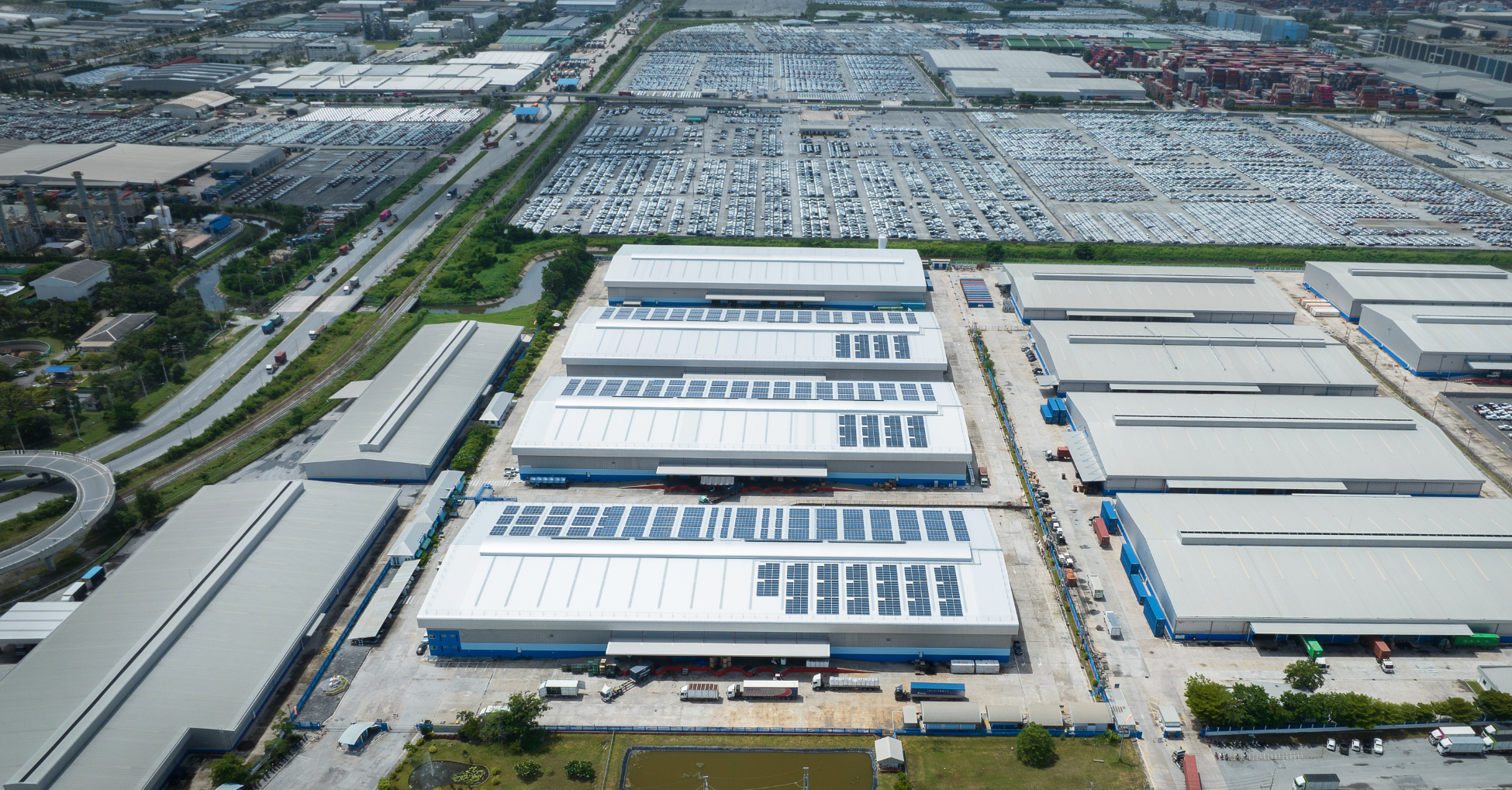
Station A started in Illinois, the firm's largest concentration of logistics assets, with a competitive community solar RFP across a set of warehouses. The process surfaced what the market would actually bear: multiple developers submitted bids, pricing was benchmarked transparently, and the team could see exactly where their existing vendor stood relative to the field. The answer was not close.
In the first year, Station A identified inflated pricing and outdated program assumptions in the incumbent bids, ran a competitive process across 12 new sites, and delivered lease income at three times the benchmark the team had been operating against. From there, the relationship expanded. Station A became the firm's standing procurement partner for community solar and onsite solar across multiple states, with all preferred vendors now operating within a competitive framework rather than outside one.
The firm now uses Station A across hundreds of sites in multiple states. The procurement model has inverted: instead of a single developer deciding what a project is worth and when it gets done, the team runs a competitive process that generates market-validated pricing and gives asset managers the data to make confident decisions. Every preferred vendor earns its place in each RFP rather than inheriting it.
The program has grown well beyond Illinois. New markets, new technologies, and new deal structures have been added as the relationship has matured — each running through the same competitive process that produced the original results. Station A functions less like a vendor and more like the operating infrastructure for how the firm buys clean energy at scale.
Start with a free portfolio screen. No commitment.

548 Market St #97377
San Francisco, CA
94104


